












This project connects socialist modernity, colonial extractivism, and ecological memory through the intertwined histories of bauxite and aluminum in Hungary and West Africa. By tracing the longue durée history of bauxite colonialism, it decenters the ‘socialist era’ within deeper imperial geohistories.
‘Red earth’ evokes tropical laterite soils, open-pit mines, and toxic red sludge, while also symbolizing the often violent utopian promises of revolutionary communism in the ‘colonial Anthropocene.’
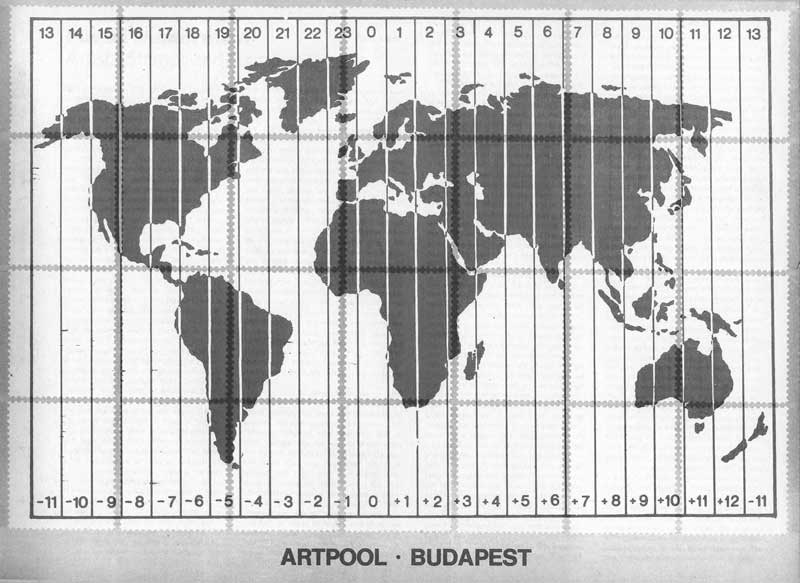
![]() Aluminum expo in Budapest in the 1960s.
Aluminum expo in Budapest in the 1960s.
Aluminum—“clay silver” or “white gold”—became a strategic metal in the 20th century, vital to the military, electronic, and aerospace industries. In Hungary, bauxite mining carried memories of colonial exploitation first towards Nazi Germany, as reflected in the 1957 film Láz (Fever), and then the Soviet Union.
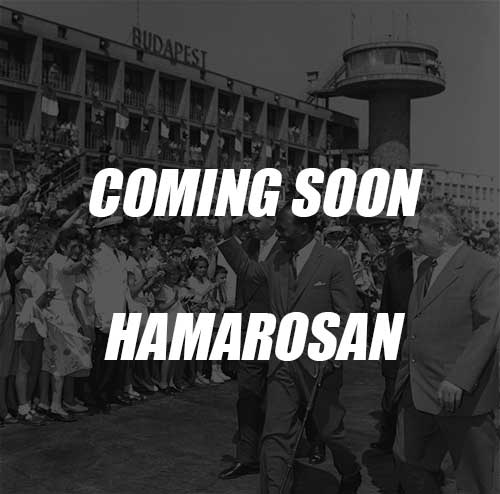
However, the technological expertise developed under high groundwater mining conditions positioned Hungarian experts as key actors in bauxite prospecting in decolonized West Africa. In Guinea—today the world’s largest bauxite exporter—postcolonial hopes intertwined with new dependencies, as Hungary imagined its “aluminium empire” within Comecon.
‘Red earth’ evokes tropical laterite soils, open-pit mines, and toxic red sludge, while also symbolizing the often violent utopian promises of revolutionary communism in the ‘colonial Anthropocene.’
 Aluminum expo in Budapest in the 1960s.
Aluminum—“clay silver” or “white gold”—became a strategic metal in the 20th century, vital to the military, electronic, and aerospace industries. In Hungary, bauxite mining carried memories of colonial exploitation first towards Nazi Germany, as reflected in the 1957 film Láz (Fever), and then the Soviet Union.
However, the technological expertise developed under high groundwater mining conditions positioned Hungarian experts as key actors in bauxite prospecting in decolonized West Africa. In Guinea—today the world’s largest bauxite exporter—postcolonial hopes intertwined with new dependencies, as Hungary imagined its “aluminium empire” within Comecon.
 Open pit bauxite mine in Hungary.
The ‘Martian’ lands of Vértes and Bakony in Hungary resonate with African minescapes where huge hydroelectric dams power aluminum factories, linking communist futurism to the colonial tropics. Aluminum shaped ‘socialist realist’ art, monumental sculptures, and fantasies of space exploration: Hungarian bauxite created Sputnik 1.
By the 1980s, environmental protest and political satire—as in the 1982 film Red Earth—exposed moral decay and local powerlessness. The 2010 red sludge disaster in Ajka became a global symbol of communist extractivism, echoed by anti-mining protests in Vietnam—revealing transnational, postsocialist conflicts over ‘red earth.’
 Hungarian sculptor making an aluminum headpiece of an ancient Hungarian figure.
Zoltán Ginelli
Institute of Oriental Studies, Slovak Academy of Sciences
zoltanginelli.com
 Surface of a red sludge reservoir.
Extraction


Production


Infrastructure


Consumption


Propaganda


Mobility


Architecture


Art
Székesfehérvári alumínium szobortechnológia kísérlet, 1967.


Brüsszeli pannó, 1958
Domanovszky EndreFresco on aluminum plates for the 1958 World Expo in Brussels.

Aluminum lithographs.
Vörös föld (1982)
Red Earth, dir. László Vitézy
Nyírád vs. Hévíz


Colonial Aerospace
The Cold War military-industrial complex, colonizing space, occupying the vast expanse, extraction.
Although the final manufacturing of the satellite was done in the USSR, the aluminum industry supporting the Soviet defense sector in the 1950s was heavily reliant on Hungarian bauxite.
Launch of Sputnik-1 in 1957.


Guinea


